



Introduction
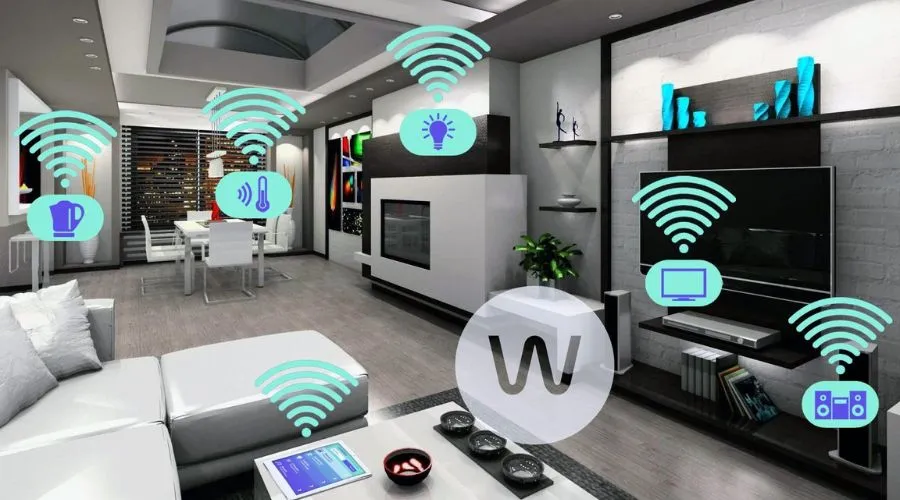
In the era of rapid technological advancements, our homes are becoming smarter and more connected than ever before. The integration of intelligent home devices is transforming the way we live, offering convenience, efficiency, and enhanced security. From smart thermostats and lighting systems to voice-activated virtual assistants, these devices are creating a seamless and interconnected living experience. In this blog, we will explore the world of intelligent home devices, delving into their functionalities, benefits, and the future they hold for homeowners.
The Rise of Intelligent Home Devices
Evolution of Home Automation
The journey of home automation has witnessed significant milestones over the years. The concept of a “smart home” has evolved from simple programmable thermostats to a sophisticated ecosystem of interconnected devices. Early home automation systems were complex and expensive, limiting their accessibility. However, advancements in technology have paved the way for affordable and user-friendly intelligent home devices that cater to a broader audience.
Key Components of Intelligent Home Ecosystem
Intelligent home devices encompass a wide range of products, each designed to enhance specific aspects of daily life. These devices include smart thermostats, lighting systems, security cameras, doorbell cameras, smart locks, virtual assistants, and more. The integration of these components creates a cohesive ecosystem where homeowners can remotely control and monitor various aspects of their homes through a centralized interface.
Functionalities and Benefits
Enhanced Security and Surveillance
One of the primary benefits of intelligent home devices is the bolstering of home security. Smart security cameras and doorbell cameras provide real-time surveillance, allowing homeowners to monitor their property from anywhere with an internet connection. Additionally, smart locks offer an extra layer of security, allowing homeowners to control access to their homes remotely.
Energy Efficiency with Smart Thermostats
Intelligent home devices contribute significantly to energy conservation, with smart thermostats leading the charge. These devices learn users’ preferences and adjust heating and cooling systems accordingly, optimizing energy usage. Homeowners can also control the temperature remotely, ensuring a comfortable environment upon their return while reducing energy wastage.
Convenience Through Voice-Activated Virtual Assistants
Voice-activated virtual assistants, such as Amazon’s Alexa and Google Assistant, have become ubiquitous in smart homes. These devices simplify daily tasks by allowing users to control various devices through voice commands. From adjusting lighting and playing music to setting reminders, these virtual assistants add an unprecedented level of convenience to our lives.
Customizable Lighting Systems
Intelligent lighting systems offer both aesthetic and functional benefits. Homeowners can customize the ambiance of their living spaces, adjusting the color and intensity of lights to suit different moods. Furthermore, these systems often come with automation features, allowing lights to be programmed to turn on or off at specific times, enhancing energy efficiency.
The Future of Intelligent Home Devices
Integration of Artificial Intelligence
As technology continues to advance, the integration of artificial intelligence (AI) is poised to revolutionize intelligent home devices further. AI algorithms can analyze user behavior and preferences, allowing devices to adapt and anticipate the needs of homeowners. This level of personalization will enhance the overall user experience, making smart homes more intuitive and responsive.
Expansion of IoT Ecosystem
The Internet of Things (IoT) plays a pivotal role in the evolution of intelligent home devices. The seamless communication between devices within a home ecosystem is set to expand beyond individual residences. The integration of intelligent devices with city infrastructure can lead to smart cities where energy, transportation, and public services are optimized for efficiency and sustainability.
Sustainability and Energy Harvesting
Future intelligent home devices are likely to focus on sustainability and energy harvesting. Solar-powered sensors and devices that harness ambient energy can reduce dependence on traditional power sources. This shift towards eco-friendly technologies aligns with global efforts to create a more sustainable and environmentally conscious future.
Enhanced Connectivity and Interoperability
Interoperability among different intelligent home devices has been a challenge in the past. The future holds promise for enhanced connectivity standards that allow seamless communication between devices from different manufacturers. This interoperability will give homeowners more flexibility and freedom in choosing devices that best suit their needs, regardless of the brand.
Conclusion
Intelligent home devices are undeniably transforming the way we interact with our living spaces. The functionalities and benefits they bring, coupled with the promise of future advancements, make them an integral part of modern living. As the technology continues to evolve, the dream of fully automated, intelligent homes is becoming a reality. The convenience, efficiency, and security offered by these devices are reshaping our homes and paving the way for a future where our living spaces are not just smart but truly intelligent. Embracing this technological wave promises a future where our homes are not just shelters but interactive and responsive environments designed to enhance our quality of life.