



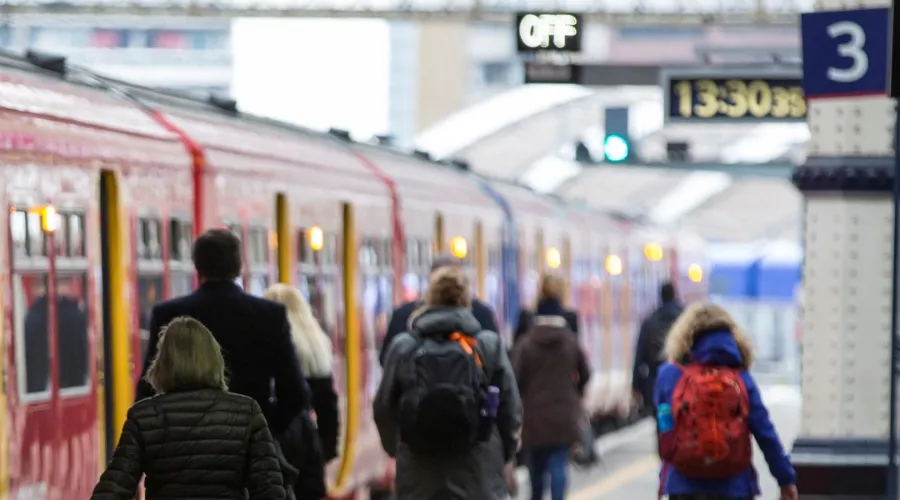
Commuting in trains is an integral part of many people’s daily lives, providing a convenient and efficient way to travel. Whether you are a seasoned commuter or a first-timer, mastering the art of train travel can significantly enhance your overall experience. In this comprehensive guide, we’ll explore various tips and tricks to ensure a seamless and enjoyable commute.
Choosing the Right Route
Selecting the optimal route is crucial for a stress-free commute. Consider factors such as travel time, number of stops, and overall convenience. Online route planners and mobile apps can be invaluable tools in helping you navigate the complex network of train lines efficiently.
Understanding Train Schedules
Familiarize yourself with train schedules to minimize waiting time and avoid unnecessary delays. Peak and off-peak hours can significantly impact your journey, so plan accordingly. Stay updated on any schedule changes or disruptions to ensure a smooth commute.
Securing the Best Seat
A comfortable seat can make all the difference during a train journey. Arrive early to increase your chances of securing a preferred seat. Window seats provide a scenic view, while aisle seats offer easy access. Consider your preferences and plan accordingly.
Navigating Train Stations
Efficient navigation through train stations is essential for a stress-free commute. Pay attention to signage, follow crowd flow, and be aware of station layouts. Familiarize yourself with key station facilities, such as ticket counters, restrooms, and information booths.
Mastering Ticketing Options
Understanding the various ticketing options available can save you both time and money. Explore different fare structures, discount programs, and subscription plans offered by train operators. Consider purchasing tickets in advance or using digital platforms for added convenience.
Etiquette for a Pleasant Commute
A courteous attitude can contribute to a positive commuting experience for everyone. Adhere to train etiquette, such as allowing passengers to exit before boarding, keeping noise levels to a minimum, and refraining from placing bags on vacant seats. Respectful behavior fosters a pleasant environment for all commuters.
Staying Connected During the Journey
Make the most of your commute by staying connected. Bring along a portable device for entertainment or productivity. Downloading podcasts, e-books, or work-related materials can transform your journey into a valuable and enjoyable part of your day.
Safety Measures on Trains
Prioritize your safety during train travel by familiarizing yourself with safety measures. Be aware of emergency exits, follow platform safety guidelines, and report any suspicious activity. Stay vigilant and contribute to a secure commuting environment for everyone.
Dealing with Unexpected Situations
Despite careful planning, unforeseen circumstances may arise. Have a contingency plan for unexpected delays, strikes, or disruptions. Stay informed through real-time updates and explore alternative routes if needed.
Environmental Benefits of Train Commuting
Embracing train travel not only benefits individuals but also contributes to a greener environment. Highlight the environmental advantages of commuting by train, such as reduced carbon emissions and congestion. Encourage others to make eco-friendly choices for a sustainable future.
Conclusion
Mastering the art of commuting in trains involves a combination of careful planning, courtesy, and adaptability. By choosing the right route, understanding schedules, and embracing train etiquette, you can transform your daily commute into a seamless and enjoyable experience. Stay informed, prioritize safety, and contribute to a sustainable future through eco-friendly train travel. Commuting in trains offers not just a mode of transportation but an opportunity to make each journey a positive and enriching part of your day.