



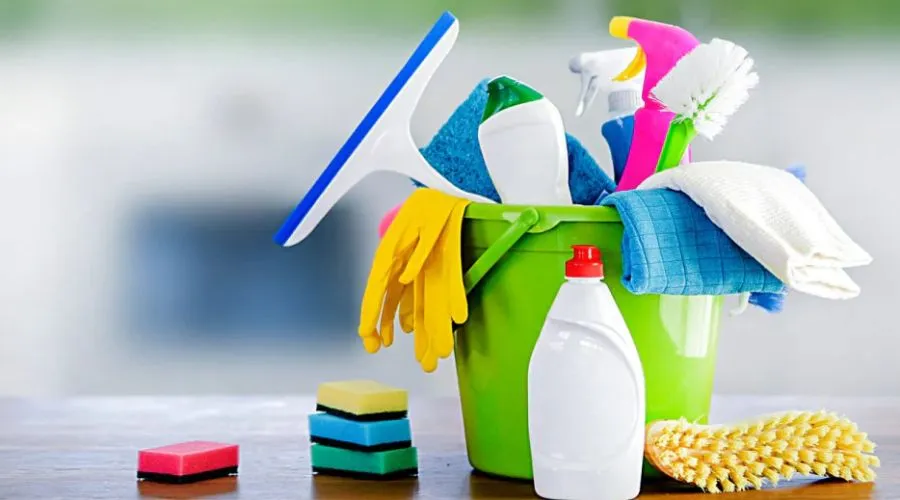
In the fast-paced world we live in, maintaining a clean and sanitary living or working space is more important than ever. As we navigate through our daily routines, the significance of effective cleaning products cannot be overstated. From keeping our homes spotless to ensuring a hygienic workplace, the right cleaning products play a pivotal role. In this comprehensive guide, we will delve into the world of cleaning products, exploring their types, ingredients, and the eco-friendly options available to us.
The Evolution of Cleaning Products
Cleaning products have come a long way from the basic soap and water combination used by our ancestors. Today, the market is flooded with an array of specialized cleaning agents designed to tackle specific surfaces and contaminants. From all-purpose cleaners to stain removers, the variety is vast. The evolution of cleaning products is not only driven by advancements in chemistry but also by a growing awareness of the environmental impact of traditional cleaning agents.
The Role of Technology in Cleaning Products
Technological innovations have greatly influenced the cleaning product industry. Today, we have access to cutting-edge formulations that not only clean effectively but also minimize the use of harsh chemicals. Nanotechnology, for instance, has enabled the creation of microscopic cleaning particles that can penetrate surfaces at a deeper level, ensuring a thorough clean. The integration of smart technology in cleaning appliances further enhances our ability to maintain a pristine environment effortlessly.
Common Types of Cleaning Products
Cleaning products can be broadly categorized into various types, each serving a unique purpose. Understanding these categories is crucial for choosing the right products for specific cleaning tasks.
1. All-Purpose Cleaners
All-purpose cleaners are versatile and can be used on a variety of surfaces. From countertops to glass, these cleaners aim to simplify the cleaning process by offering a single solution for multiple tasks. However, it’s essential to check the label and ensure compatibility with the intended surface.
2. Specialty Cleaners
Specialty cleaners are formulated to address specific cleaning challenges. Examples include bathroom cleaners, kitchen degreasers, and stainless steel polish. These products are tailored to provide optimal results in their designated areas, making them indispensable for targeted cleaning.
3. Disinfectants and Sanitizers
Especially relevant in today’s health-conscious climate, disinfectants and sanitizers play a crucial role in preventing the spread of germs and illnesses. These products often contain antimicrobial agents that kill or inhibit the growth of harmful microorganisms.
4. Green and Eco-Friendly Cleaners
In recent years, there has been a growing demand for environmentally friendly cleaning products. These products are formulated with biodegradable ingredients and are often packaged in eco-conscious materials. Choosing green cleaners not only promotes sustainability but also reduces our exposure to potentially harmful chemicals.
Understanding Cleaning Product Ingredients
A crucial aspect of choosing the right cleaning products is understanding their ingredients. Many traditional cleaners contain harsh chemicals that can be harmful to both our health and the environment. Reading labels and opting for products with transparent ingredient lists is a step towards a safer and cleaner living space.
1. Harsh Chemicals to Avoid
Certain chemicals commonly found in cleaning products can have adverse effects on respiratory health and the environment. Ingredients such as ammonia, chlorine, and phthalates are known irritants and may contribute to indoor air pollution. Choosing products free from these harmful substances is a step towards a healthier home.
2. Safer Alternatives
Thankfully, many manufacturers are now offering cleaning products with safer alternatives. Natural ingredients like vinegar, baking soda, and essential oils have gained popularity for their cleaning prowess without the negative side effects. These alternatives not only clean effectively but also emit pleasant, natural fragrances.
3. Fragrances and Allergens
While we often associate pleasant scents with cleanliness, it’s important to be cautious about the fragrances used in cleaning products. Synthetic fragrances can contain allergens and irritants. Opting for products with natural fragrances or those labeled as fragrance-free can reduce the risk of respiratory issues and allergies.
4. Biodegradability and Eco-Friendly Packaging
Beyond cleaning efficacy, considering the environmental impact of cleaning products is vital. Biodegradable ingredients break down naturally, minimizing harm to ecosystems. Additionally, choosing products with eco-friendly packaging further reduces the overall ecological footprint of your cleaning routine.
Tips for Choosing the Right Cleaning Products
With the myriad of cleaning products available, selecting the right ones can be overwhelming. Here are some tips to help you make informed choices:
1. Identify Your Cleaning Needs
Understanding the specific cleaning challenges you face will guide you in selecting the right products. Different surfaces and materials may require specialized cleaners for optimal results.
2. Read Labels Carefully
Take the time to read and understand the ingredient list on cleaning product labels. Look for transparency and avoid products with harsh chemicals that may pose health risks.
3. Consider Environmental Impact
Choose products that prioritize sustainability. Look for eco-friendly certifications, biodegradable ingredients, and minimal packaging.
4. Test in Small Areas
Before applying a new cleaning product to a large surface, test it in a small, inconspicuous area to ensure compatibility and avoid potential damage.
Conclusion: A Cleaner, Greener Future
As we strive for cleaner living spaces, the choice of cleaning products becomes a powerful decision that influences not only the cleanliness of our surroundings but also our health and the health of the planet. With the evolution of technology and a growing awareness of environmental concerns, we are witnessing a shift towards safer, more sustainable cleaning practices. By understanding the types of cleaning products, scrutinizing ingredients, and making informed choices, we can contribute to a cleaner, greener future.
In conclusion, cleaning products are more than just tools for maintaining a tidy environment; they are integral to our well-being and the sustainability of our planet. By embracing the latest advancements in cleaning technology and being mindful of the ingredients in the products we use, we can create spaces that are not only sparkling clean but also safe and eco-friendly. So, let’s embark on a journey towards a cleaner, healthier, and more sustainable future—one cleaning product at a time.