



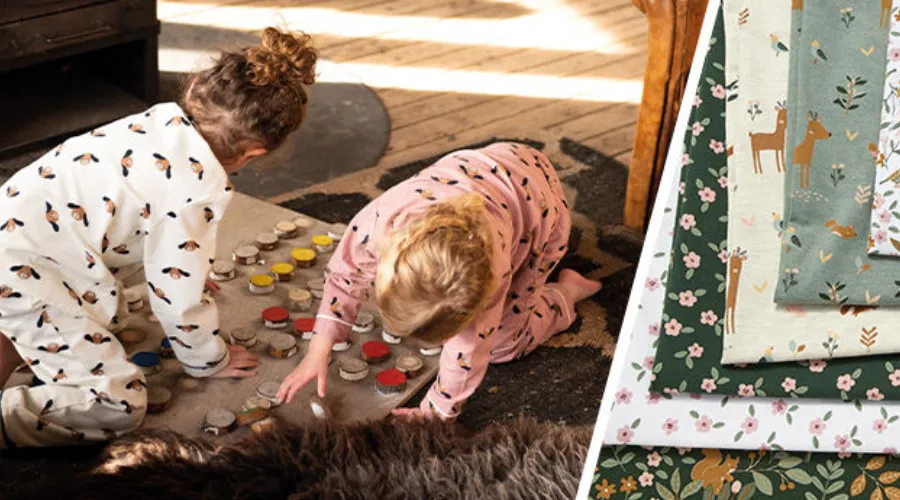
In the ever-evolving world of fashion and parenting, the quest for sustainable choices has become more crucial than ever. As conscientious consumers, we strive to make environmentally friendly decisions, not just for ourselves but also for the future of our planet. One area where this commitment to sustainability is gaining momentum is in the choice of fabrics for our children’s clothing. In this article, we explore the world of eco-friendly fabrics for kids, shedding light on their benefits and why they should be your top choice.
Understanding Eco-Friendly Fabrics
Before delving into the specifics, let’s define what makes a fabric eco-friendly. Eco-friendly fabrics are those that are produced with minimal environmental impact, from cultivation to manufacturing. These fabrics prioritize sustainability, ethical practices, and a reduced carbon footprint.
1. Organic Cotton: A Gentle Touch on Nature and Skin
Organic cotton stands out as a prime choice for eco-conscious parents. Grown without the use of synthetic pesticides and fertilizers, it promotes a healthier environment for both the soil and the farmers. The absence of harmful chemicals also makes it an ideal fabric for sensitive children’s skin, reducing the risk of allergies and irritation.
2. Bamboo Fiber: Nature’s Versatile Gift
Bamboo, known for its rapid growth and renewability, has found its way into the textile industry. Bamboo fiber is not only soft and breathable but also possesses natural antibacterial properties, ensuring that your child’s clothing stays fresh and clean. Its moisture-wicking capabilities make it an excellent choice for active kids.
3. Hemp: A Durable and Sustainable Solution
Hemp, one of the oldest fibers used by humanity, is making a comeback as a sustainable fabric. Known for its durability, it requires minimal water and no pesticides to grow. Hemp fabric is not only strong but also becomes softer with each wash, ensuring longevity and comfort for your child.
4. Recycled Polyester: Turning Waste into Wear
Choosing recycled polyester helps divert plastic bottles from landfills, contributing to the reduction of plastic pollution. The process of transforming plastic into fabric consumes less energy than creating virgin polyester. Embracing recycled polyester in your child’s wardrobe is a step towards a circular economy.
5. Tencel (Lyocell): Silky Smooth and Eco-Friendly
Tencel, derived from sustainably sourced wood pulp, is renowned for its silky feel and breathability. The closed-loop production process minimizes waste and chemicals, making it an eco-friendly choice for parents who prioritize both comfort and sustainability.
The Benefits Extend Beyond the Wardrobe
Choosing eco-friendly fabrics for your kids’ clothing goes beyond fashion trends. It’s a conscious decision that offers a multitude of benefits, not only for your child but for the environment as well.
1. Reduced Carbon Footprint: Making a Positive Impact
The production of eco-friendly fabrics typically involves fewer carbon emissions compared to conventional fabrics. By choosing sustainable options, you contribute to the reduction of your family’s overall carbon footprint.
2. Supporting Ethical Practices: Upholding Fair Labor Standards
Many eco-friendly fabric producers prioritize fair labor practices, ensuring that the individuals involved in the manufacturing process are treated ethically. By choosing these fabrics, you support a supply chain that values human rights and fair wages.
3. Encouraging Sustainable Agriculture: A Greener Future
Opting for fabrics like organic cotton promotes sustainable agriculture. It discourages the use of harmful chemicals and encourages farming practices that maintain soil fertility, benefiting ecosystems in the long run.
Conclusion
In conclusion, the choices we make as parents resonate far beyond our children’s wardrobes. Opting for eco-friendly fabrics for kids is a small yet impactful step towards a more sustainable future. From the gentle touch of organic cotton to the versatile nature of bamboo and the durability of hemp, each fabric has its unique advantages. Consider the environmental impact, health benefits, and longevity when making choices for your child’s clothing. By doing so, you not only provide the best for your little one but also contribute to a greener, healthier planet for generations to come.