



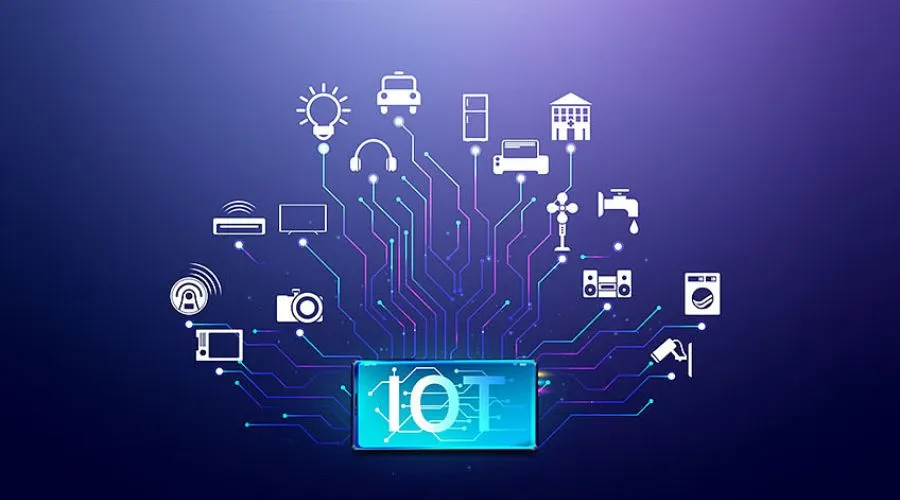
In the rapidly evolving landscape of technology, the Internet of Things (IoT) has emerged as a transformative force, seamlessly integrating the physical and digital worlds. Among the myriad applications of IoT, a significant breakthrough has been the advent of IoT appliances. These smart devices have revolutionized our daily lives, offering unprecedented convenience, efficiency, and connectivity. In this blog, we delve into the world of IoT appliances, exploring their impact on our homes, businesses, and beyond.
Understanding the Essence of IoT Appliances
IoT appliances refer to everyday devices equipped with sensors, connectivity, and smart capabilities, enabling them to communicate and share data over the internet. These devices range from smart refrigerators and thermostats to wearable fitness trackers and home security systems. The common thread binding them together is their ability to collect, analyze, and act upon data, creating a network of interconnected devices that work in harmony.
The Seamless Connectivity Advantage
One of the hallmark features of IoT appliances is their ability to seamlessly connect and communicate with each other. This connectivity opens up a world of possibilities, allowing users to control and monitor their devices remotely. Imagine adjusting your thermostat, checking the contents of your refrigerator, or even securing your home, all from the convenience of your smartphone. This interconnectedness not only enhances convenience but also contributes to energy efficiency and overall resource optimization.
Enhancing Efficiency in Everyday Tasks
IoT appliances are designed to simplify and enhance everyday tasks. Smart kitchen appliances, for instance, can suggest recipes based on the ingredients available, while intelligent thermostats learn and adapt to your preferred temperature settings. The ability of these devices to gather data and learn from user behavior leads to personalized and more efficient functionality, ultimately saving time and resources.
The Impact of IoT Appliances on Homes
As IoT appliances continue to permeate households, their impact on home life becomes increasingly pronounced. Let’s explore the ways in which these smart devices are reshaping the very fabric of our living spaces.
Smart Home Ecosystems: Transforming Living Spaces
The concept of a smart home, once confined to the realm of science fiction, is now a reality thanks to IoT appliances. These devices form interconnected ecosystems, where lights, thermostats, security cameras, and more collaborate to create an intelligent and responsive living environment. The ability to automate routine tasks and receive real-time updates enhances not only comfort but also the overall security of homes.
Energy Efficiency and Sustainability
In an era where environmental consciousness is paramount, IoT appliances contribute significantly to energy efficiency and sustainability. Smart thermostats optimize heating and cooling based on occupancy, reducing energy consumption. Similarly, smart lighting systems adjust brightness according to natural light conditions, minimizing unnecessary energy usage. The cumulative impact of these small adjustments can lead to substantial energy savings and a reduced carbon footprint.
Challenges of Security and Privacy
While the benefits of IoT appliances are undeniable, it’s crucial to acknowledge the challenges they pose, particularly in terms of security and privacy. The interconnected nature of these devices creates potential vulnerabilities, and instances of hacking or unauthorized access to personal data have raised concerns. Manufacturers and users alike must prioritize robust security measures to safeguard against potential threats and ensure the privacy of sensitive information.
IoT Appliances in Business and Industry
Beyond the confines of homes, the influence of IoT appliances extends to the business and industrial sectors, ushering in a new era of efficiency, productivity, and data-driven decision-making.
Industrial IoT: Revolutionizing Manufacturing Processes
The Industrial Internet of Things (IIoT) leverages IoT appliances to transform traditional manufacturing processes. Connected sensors on machinery can provide real-time data on equipment performance, enabling predictive maintenance and minimizing downtime. This not only increases operational efficiency but also reduces costs associated with unexpected breakdowns.
Smart Retail: Enhancing Customer Experience
In the retail sector, IoT appliances are instrumental in enhancing the customer experience. Smart shelves can monitor inventory levels in real-time, ensuring products are always in stock. Beacon technology can personalize the shopping experience by sending relevant promotions to customers’ smartphones as they navigate the store. These innovations not only streamline operations but also contribute to a more personalized and efficient shopping experience.
Data Analytics and Informed Decision-Making
The proliferation of IoT appliances generates an immense amount of data. This data, when analyzed intelligently, provides valuable insights for businesses. From consumer behavior patterns to machine performance metrics, the information gleaned from IoT devices empowers businesses to make informed decisions, optimize processes, and stay ahead in a competitive landscape.
The Future Landscape of IoT Appliances
As we stand at the cusp of a technological revolution driven by IoT appliances, the future promises even more innovation and integration.
AI Integration for Intelligent Decision-Making
The integration of artificial intelligence (AI) with IoT appliances is set to redefine the capabilities of these devices. AI algorithms can process vast amounts of data, enabling appliances to make more intelligent and context-aware decisions. This could mean a refrigerator that not only tracks food expiration dates but also suggests recipes based on nutritional preferences and dietary restrictions.
5G Connectivity: Unleashing Speed and Reliability
The advent of 5G connectivity will further propel the capabilities of IoT appliances. The increased speed and reliability of 5G networks will facilitate real-time communication between devices, opening up new possibilities for applications such as augmented reality in smart homes, remote healthcare monitoring, and autonomous vehicles.
Interoperability and Standardization Challenges
As the IoT landscape expands, the challenge of interoperability and standardization becomes increasingly relevant. With various manufacturers producing IoT appliances, ensuring seamless communication and compatibility between devices from different brands becomes a priority. Standardization efforts are crucial to creating a cohesive and interconnected IoT ecosystem that benefits users across different platforms.
Conclusion: Embracing the Smart Revolution
In conclusion, IoT appliances represent a paradigm shift in the way we interact with and perceive technology. From the convenience of smart homes to the efficiency of industrial processes, these interconnected devices are weaving a tapestry of innovation that touches every aspect of our lives. As we navigate the evolving landscape of IoT, addressing security concerns, fostering standardization, and embracing emerging technologies will be essential in unlocking the full potential of this smart revolution. The future is undoubtedly smart, and with IoT appliances at the forefront, we are witnessing the dawn of a new era.